

Productos relacionados
-
 Cosmetics
Solar filter
They are used in formulations of sunscreens in cosmetics, protecting the skin against radiation from the sun where it prevents burns and other damage that it can cause to the skin. They have a very specific function, which is to absorb, reflect or spread ultraviolet A and B rays, in order to protect against these two types of radiation. Among the main filters we have Benzophenone, Octocrylene, Titanium Dioxide and Zinc Oxide.
(0 reviews) -
 Food
Carrageenan
Carrageenan is a mixture of natural polysaccharides from algae from various families of Rhodophyceae, considered by the FDA (United States Food and Drug Administration) as a harmless aggregate. The use of carrageenan in the food industry grew exponentially, either as a stabilizer, thickener or gelling agent, with the particularity of performing or generating these functions in aqueous media, at very low concentrations. It is mainly used to stabilize dairy products with various advantages such as better texture and longer shelf life. It is also often added as an additive in natural organic foods, for example, in some plant-based beverages to emulsify and thicken them (FAO and WHO, 2019). Given the trends of healthy meals, low-calorie and low-fat products, carrageenan along with other hydrocolloids have had a great participation in the innovation and development of vegan, vegetarian and celiac-friendly alternatives. This is mainly due to the fact that it does not add calories, flavor or color to the final product.
(0 reviews) -
 Acids
Ascorbic acid
Ascorbic acid or vitamin C is one of the most popular food additives in most countries. It is a colorless, odorless, crystalline solid, soluble in water, with an acid taste. In addition, it is an organic acid that belongs to a class of drugs called antioxidants, the body needs it to help wound healing, improve the absorption of iron from plant foods, support the immune system, among other benefits.
(0 reviews) -
 Cosmetics
Ethoxylated Isotridecyl Alcohol
The ROKAnol® IT series consists of a line of nonionic surfactants from the group of ethoxylated branched alcohols, easily biodegradable. They are characterized by being excellent humectants, having a high detergency power, hydrophilic properties and being stable in the presence of oxidizing agents, reducing agents and in hard water. Compatible with non-ionic, anionic and cationic products in one formulation, they are durable in acid and alkaline formulations, improve dye capillarity in the bleaching process, remove oil stains on hard surfaces, woven and non-woven fabrics, and their use It is approved as an indirect food additive. In addition to showing itself as a line of sustainable and environmentally friendly products for the industry, our product line is REACH certified. We have ethoxylated isotridecyl alcohols of 3 moles, 6 moles, 8 moles, 9 moles and 12 moles. Synonyms: Isotridecyl alcohol ethoxylate, isotridecyl alcohol ethoxylate, ethoxylated alcohols.
(0 reviews) -
 Cosmetics
Polyethylene Glycol (PEGs)
PEGs are used as an excipient in many pharmaceutical products, with their lower molecular weight variants being used as solvents in oral liquids such as syrups and in capsules of various medications taken orally, while the solid variants are used in ointments. , binders in film coatings, lubricants and blister (tablet packaging).
(0 reviews) -
 Cosmetics
Usp liquid vaseline
Our high purity USP white mineral oil has multiple applications that include pharmaceutical, cosmetic, food, industrial formulas, etc. USP Liquid Petrolatum meets the requirements of USP 40 / NF 35 (US Pharmacopeia / National Formulary) and FDA 21 CFR 172.878 and 21 CFR 178.3620, meeting the high standards of the cosmetic and pharmaceutical industry.
(0 reviews) -
 Acids
Ácido acetico glacial food grade
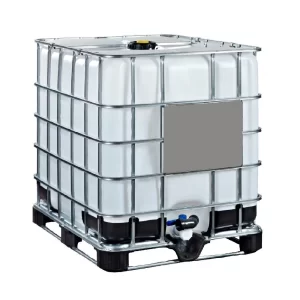
It is a high purity organic monobasic acid whose application is related to the food sector. It is used as a preservative, pH regulator, flavoring and/or coagulant in food products. Additionally, glacial acetic acid is widely used in the textile industry, fiber industry, pharmaceutical industry, pesticide industry, dye industry, plastic industry, among others.
(0 reviews) -
 Cosmetics
Solid vaseline usp
Our highest purity USP grade white solid petroleum jelly is used in an infinite number of applications ranging from personal care formulation bases to pharmaceutical formulations and more. As a vehicle for medications, in creams, ointments and ointments. By ingestion it is laxative. Meets USP, EP, BP and US FDA 21 CFR 172.880 standards. The facilities where it is manufactured are GMP certified and FDA approved, in addition to having controlled process conditions.
(0 reviews) -
 Food
Xanthan Gum USP
Xanthan gum is a corn polysaccharide and one of the main polymers in the food industry. It is completely soluble in hot or cold water, hydrates quickly once dispersed and facilitates water retention, producing highly viscous solutions at low concentrations. Its solutions exhibit uniform viscosity in temperature ranges from freezing to near boiling, with excellent thermal stability. By eliminating gluten, most foods lose consistency, elasticity and sponginess, properties that can be restored using xanthan gum.
(0 reviews) -
Acesulphame-k
Acesulphame – K
Acesulfame K is a high intensity, first impact synthetic sweetener and flavor enhancer. It sweetens 200 times more than sugar and has been used in a wide range of foods and beverages for 20 years. It has a slightly bitter “aftertaste” taste when used in high concentrations, but has excellent compatibility with other sweeteners such as sucrose, aspartame, cyclamate, sucralose, fructose, and others. It is stable under acid and temperature conditions, water soluble. Its contribution of zero calories means that it can be consumed without affecting your health or for aesthetics to take care of your health. In addition, since it is not absorbed by the body, it becomes a sweet alternative, strategic for diabetics. It does not cause cavities nor is it harmful to dental health, since it cannot disintegrate in the oral cavity.
(0 reviews)
